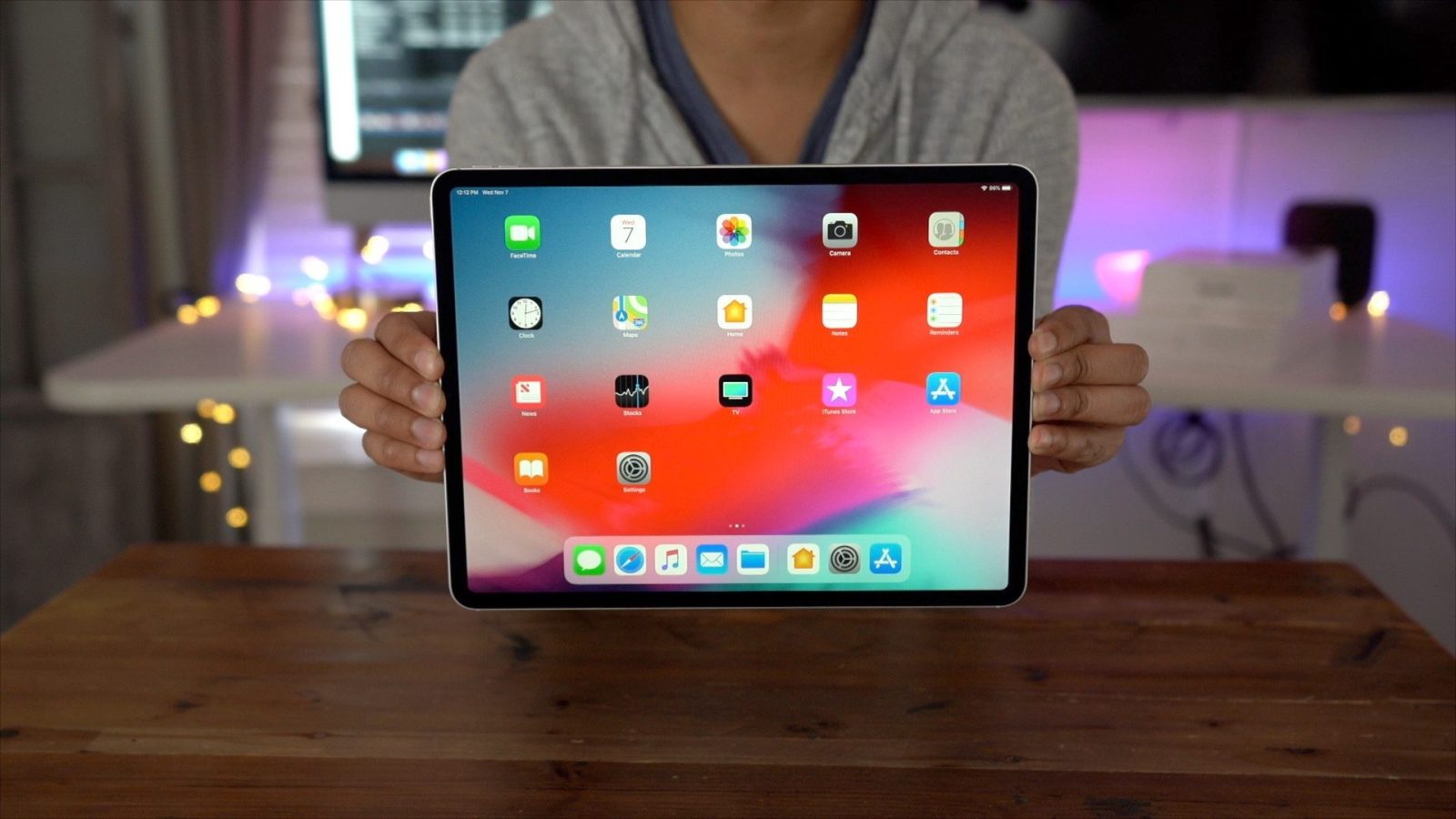
iPadOS 27 leaves behind five older iPad models, ending software support for every tablet built on Apple's A12 or A12X chip. The cutoff is notable because iOS 27 still runs on every iPhone that received iOS 26, so the iPad lineup is being trimmed more aggressively than the iPhone. Owners of these tablets are stranded on iPadOS 26 unless Apple reverses course.

Which iPads lose iPadOS 27 support
Five devices, all roughly six to eight years old, drop off the compatibility list with the iPadOS 27 update:
- iPad (8th generation) - 2020
- iPad Air (3rd generation) - 2019
- iPad mini (5th generation) - 2019
- iPad Pro (11-inch, 1st generation) - 2018
- iPad Pro (12.9-inch, 3rd generation) - 2018
A long support window is reasonable for hardware this old, and Apple's track record on tablet longevity remains strong compared with most of the Android tablet and phone market. The sting is less about the cutoff itself than about where these devices are left to sit.
Option one: allow iPadOS 18 downgrades
The cleanest fix would be letting iPadOS 26 holdouts roll back to the leaner, more responsive iPadOS 18. Apple currently stops signing older releases, which makes downgrades impossible once the signing window shuts, a policy designed to keep everyone on the most secure build.
There is a hole in that reasoning, though. Apple still ships security patches for iOS 18, releasing iPadOS 18.7.9 alongside iPadOS 26.5. Because that branch is still actively maintained, sanctioning it on A12 hardware would not be inherently unsafe. Users could keep getting fixes while running a version tuned for their slower silicon.
Option two: ship a limited iPadOS 27
Re-adding support for already-dropped devices would be nearly unprecedented, but not entirely. In 2022, Apple first limited Stage Manager on iPadOS 16 to M1 iPads, then reversed itself and brought a more constrained version to the 2018 and 2020 iPad Pro after public pushback.
The likely technical wall here is full windowing on the A12 GPU paired with only 4GB of RAM, which may simply perform poorly. Even so, plenty of owners would happily accept a trimmed feature set in exchange for staying on the current generation with a smoother day-to-day experience.
Why iPad owners feel shortchanged
The frustration centers on being parked on a release that does not run as well as it could. iOS 27 has earned praise as a fast, well-optimized update, yet the same A12-era hardware that misses iPadOS 27 is held on iPadOS 26 rather than the lighter iPadOS 18 that ran smoothly before. That mismatch is what makes both proposed paths appealing.
A blessed downgrade route would let users prioritize stability and battery life, while a stripped-down iPadOS 27 would at least keep these tablets feeling current. Either approach would acknowledge that a six-to-eight-year-old iPad can still be a capable daily driver for web, video, notes, and reading. As one owner put it, a 2018 iPad Pro is "still a super great device." Whether Apple revisits the decision, as it once did with Stage Manager, remains to be seen.
Frequently asked questions
Will my old iPad stop working after iPadOS 27?
No. Affected iPads keep running iPadOS 26 and continue to function, including app support for now. They simply will not receive the new iPadOS 27 features or its performance improvements.
Can I downgrade my iPad to iPadOS 18 today?
Not officially. Apple stops signing older builds, so once the window closes you cannot install iPadOS 18 even though that branch still gets security updates. A policy change would be required to allow it.
Which iPad chips still get iPadOS 27?
Devices with A13 and newer, plus all M-series iPads, remain supported. The line is drawn at the A12 and A12X generation, which powered the listed 2018 to 2020 models. Follow our latest tech news for update tracking.